


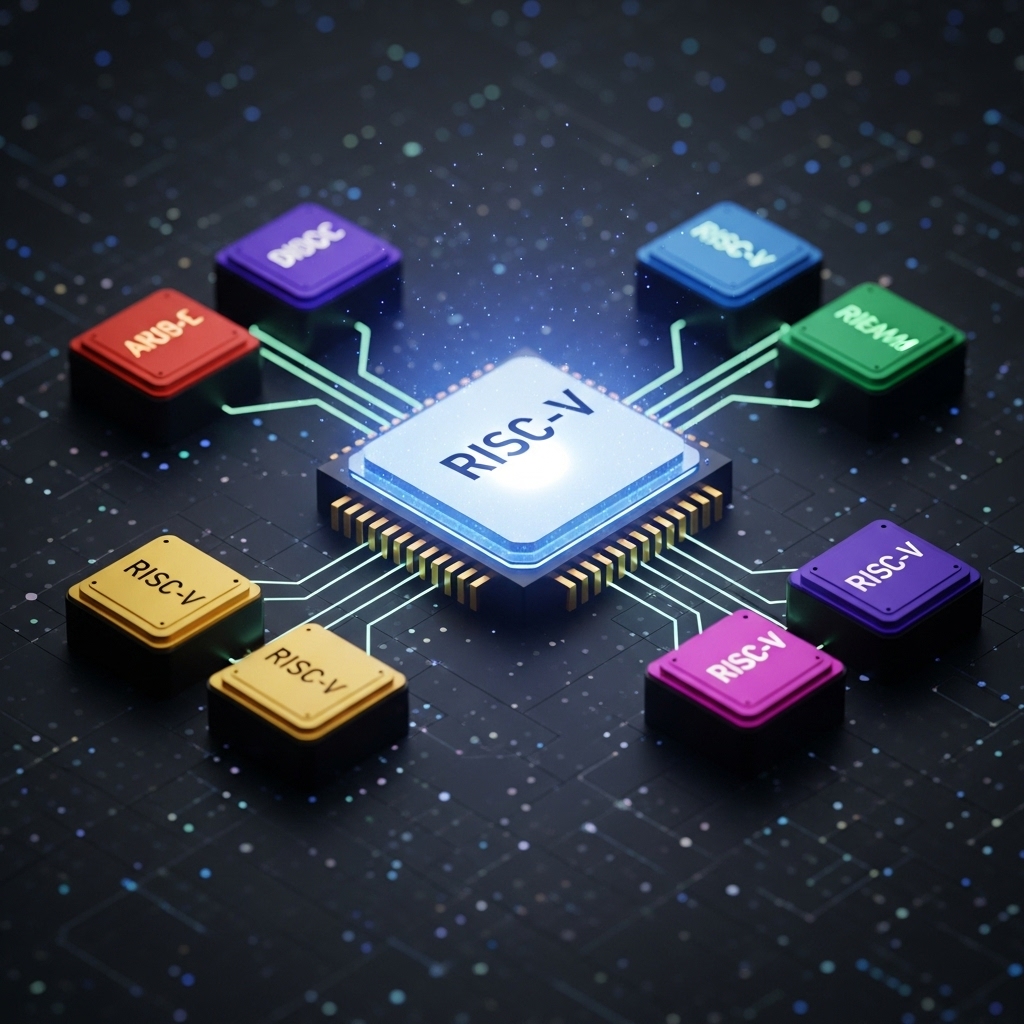
Europe’s AI Power Depends on Open Models and RISC-V Open Hardware
AI as the New Layer of Sovereignty The European Union has a historic opportunity: to move from being mainly the world’s most influential AI regulator to becoming one of the world’s decisive builders of AI infrastructure. This will not happen through declarations about digital sovereignty alone. It will happen only if Europe develops and releases […]
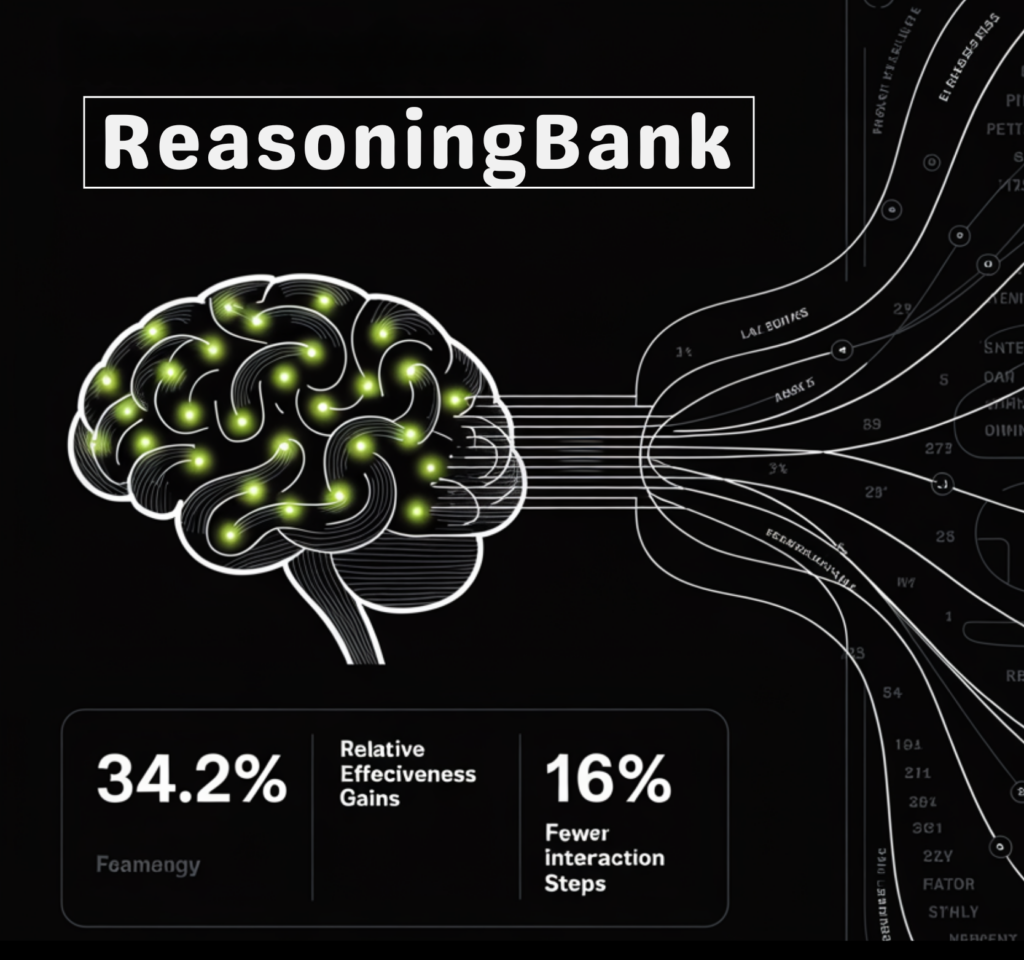
Why Today’s LLM Agents Do Not Self-Evolve as Faithfully as We Assume
Performance gains are not the same as faithful learning A powerful assumption has entered the debate on large language model agents: if an agent stores past experience, summarizes it, retrieves it later and performs better, then it must be learning from experience. This assumption is central to many current ideas about self-evolving LLMs. It supports […]
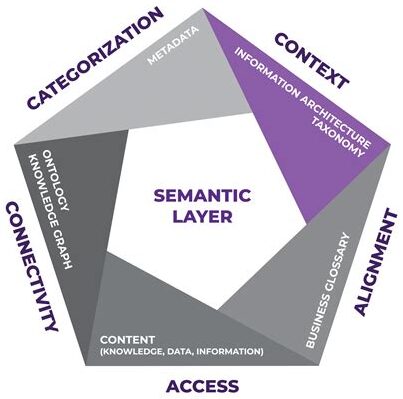
Semantica as a Knowledge Layer for Local Open-Source AI Models
Beyond the model: the need for accountable knowledge systems The debate on local open-source AI models has entered a more mature phase. The central question is no longer whether a smaller open model can answer questions, summarize documents or assist with writing. The real question is whether it can operate with institutional reliability, transparency, auditability […]

Artificial Intelligence as an Infrastructure of Power
From startup culture to sovereign capability Advanced artificial intelligence is no longer just a software market in which startups compete to build better tools. It is becoming a strategic infrastructure of state power, comparable to energy grids, telecommunications, satellites, financial networks, defence supply chains and cyber capabilities. The actors that control large models, data centres, […]

The Future of Large Language Models: From Scaling to Trustworthy Intelligence
A breakthrough, not a final destination Large language models have already changed how people write, code, search, translate, summarize, teach and organize knowledge. Their success rests on a powerful empirical insight: when models, data and compute grow together, new capabilities appear. This is the core intuition behind the scaling hypothesis, and it explains much of […]

Local open LLMs for coding and public-sector use: the right model depends on the task and the hardware
The best local language model is not the one with the most impressive benchmark screenshot. For a developer, a university lab, a municipality or a ministry, the real question is different: which model can run reliably on available hardware, with acceptable latency, predictable cost, strong privacy and enough transparency to be trusted in production? This […]

Data Fabrics: The Infrastructure for Useful and Trustworthy Local AI
Most discussions about artificial intelligence begin with models. Which model is stronger, faster, cheaper or more capable? For public administrations and private enterprises, however, the decisive question is different: what data does the model reason over, who governs that data, how is it connected to real workflows, and how can every answer be traced back […]

Local Open AI Models: Public Infrastructure Instead of Digital Dependency
Artificial intelligence is entering public administration, healthcare, education, local government and state security services. The central question is not whether public institutions will use AI. They already will. The real question is who will control the infrastructure, the data, the models, the logs and the rules of use. Public authorities can either build internal capacity […]

AI and Software Development: Why Plausible Code Is the Most Dangerous Code
AI does not remove the need for understanding Artificial intelligence is already changing software development. Developers now use generative tools for autocompletion, refactoring, documentation, test generation, debugging and increasingly for agentic workflows where an AI system can inspect a repository, modify files and propose a pull request. This can be genuinely useful. It can reduce […]
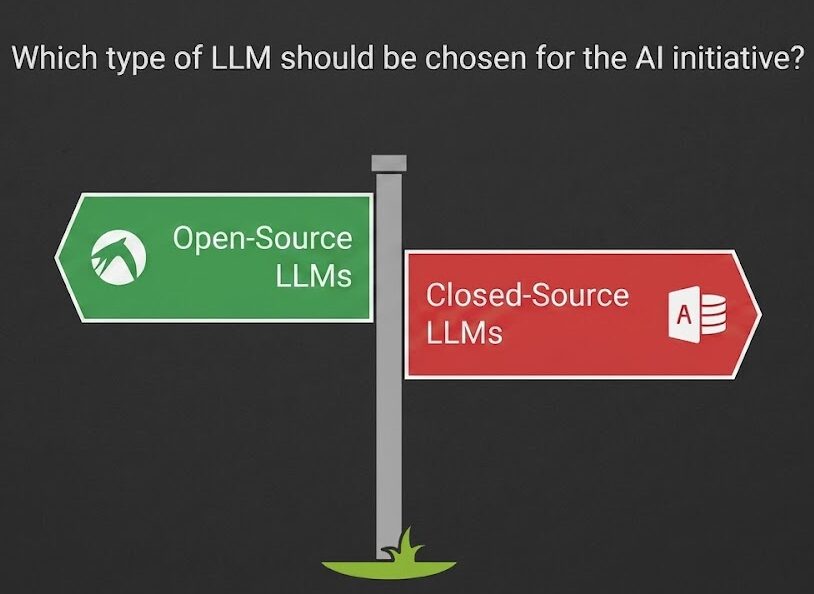
Local Open AI and AI Factories: a practical architecture for safer, cheaper and more democratic AI
From PHAROS to local models: a layered architecture for open AI The right strategy for artificial intelligence is not to choose one single technological solution. Not everything needs to run on a supercomputer, and it is equally unreasonable for every public body, university, school or business to depend permanently on commercial cloud APIs. The rational […]

AI Agents in Government and Business: Useful Only When They Are Governed
The real issue is not intelligence, but authority AI agents are not just better chatbots. They are systems that can plan, call tools, write code, read documents, query databases, send messages, trigger workflows and sometimes act without direct human approval. That makes them valuable, but also institutionally dangerous. The key question for the public and […]

Why AI Still Fails at Common Sense
Fluent language is not understanding Modern large language models can draft reports, summarise legal documents, write code, translate texts, answer questions and coordinate multi-step tasks with impressive speed. This fluency creates a dangerous illusion: because the answer sounds human, users often assume that the system understands like a human. It does not. AI models do […]